
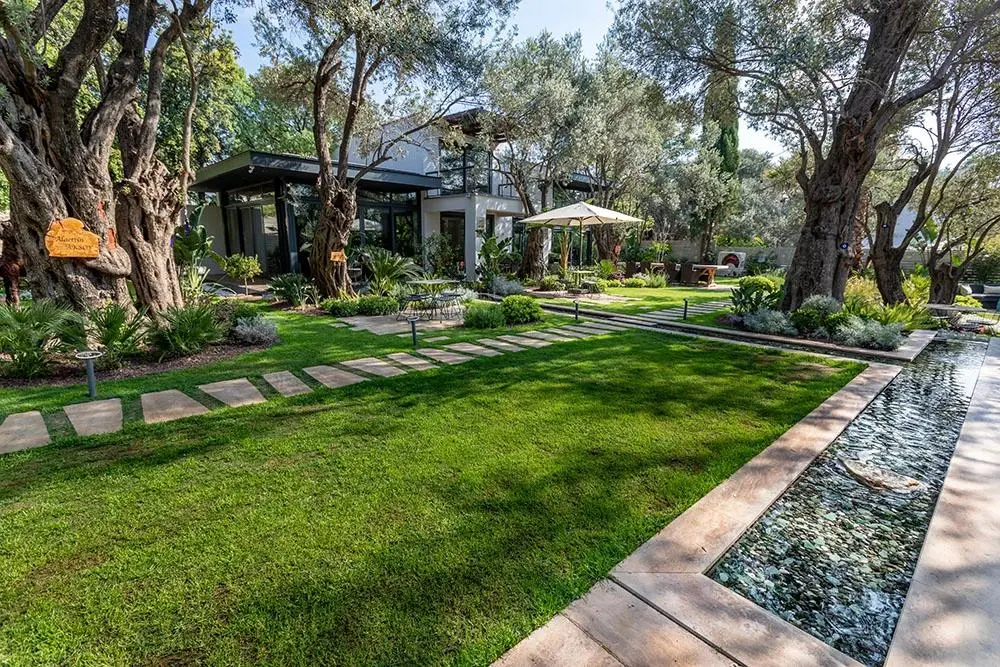
Gardening in Tangier can be both enjoyable and rewarding when you choose the right plants and adapt your garden to the local conditions. With the right plants, soil preparation and maintenance practices, you can create a healthy and attractive outdoor space adapted to the local environment.
However, successful gardening is not simply about watering plants regularly. Sun exposure, soil quality, drainage, seasonal weather and plant selection all play an important role. Understanding these factors can help you choose suitable plants and avoid common maintenance problems.
These factors are particularly important when planning Gardening in Tangier, as local conditions can vary significantly from one outdoor space to another.
Whether you have a small home garden, a villa, a terrace or a larger outdoor space, understanding these basic principles can make Gardening in Tangier easier and more sustainable.
In this guide to Gardening in Tangier, you will discover practical tips for choosing plants, preparing soil, managing irrigation, maintaining your garden and creating a low-maintenance outdoor space.
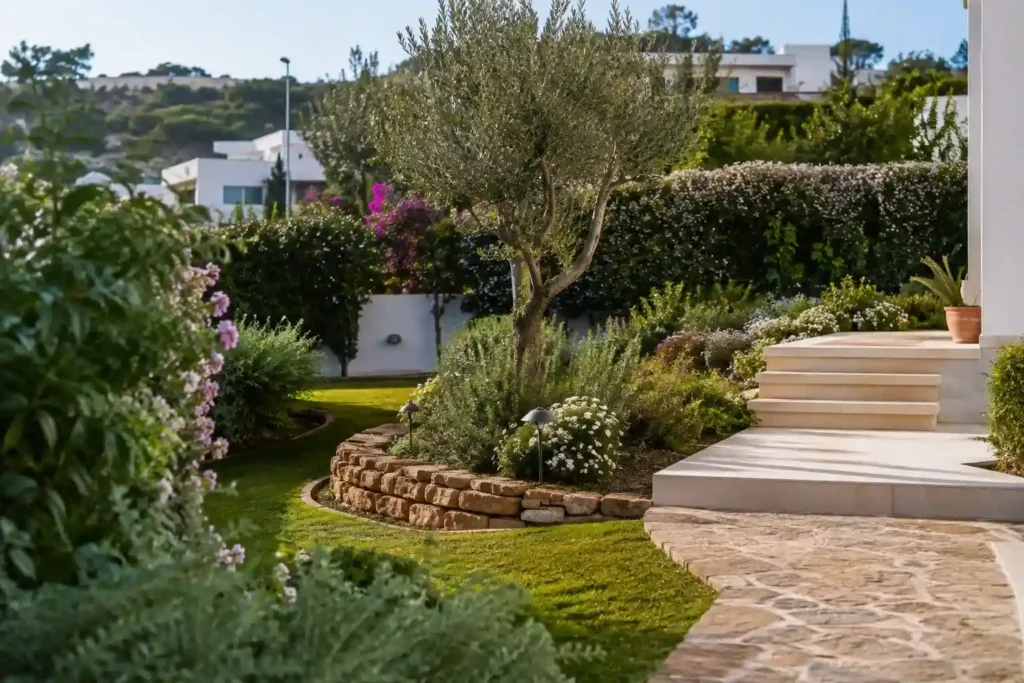
What Makes Gardening in Tangier Different?
The first step to successful Gardening in Tangier is understanding the conditions in your garden.
Tangier has a Mediterranean-influenced climate, so gardens can experience periods of strong sunshine and relatively dry weather as well as wetter periods. This means gardeners need to think about both water management and drainage.
Sunlight and exposure
Before choosing plants, observe how much sunlight different areas of your garden receive.
Some areas may have:
- Full sun throughout the day
- Morning or afternoon sun
- Partial shade
- Full shade
- Strong exposure to wind
Different plants have different requirements. A plant that performs well in full sun may struggle in a shaded area, while plants that prefer shade can suffer when exposed to intense sunlight.
These considerations are particularly important when Gardening in Tangier, where different areas of the same property can have very different levels of sunlight and wind exposure.
Soil and drainage
Healthy soil provides plants with the water, air and nutrients their roots need.
Before planting, check whether your soil is:
- Sandy
- Clay-heavy
- Compact
- Rich in organic matter
- Poorly drained
Drainage is particularly important. Soil that remains saturated for long periods can create problems for plants that require well-drained conditions.
If water tends to accumulate after heavy rain or irrigation, the solution may involve improving drainage rather than simply changing the watering schedule.
Proper soil preparation and drainage management are therefore important aspects of Gardening in Tangier.
Choosing plants for local conditions
One of the most important gardening principles is simple:
Choose plants according to the conditions of your garden, not just their appearance.
Consider sunlight, soil, drainage, mature size and water requirements before planting.
Mediterranean and drought-tolerant plants can be useful options for suitable sunny and well-drained areas, but every plant still needs to be assessed according to its specific requirements.
How to Start a Garden in Tangier
Starting with a clear plan can make Gardening in Tangier much easier and make garden maintenance more manageable in the long term.
For Gardening in Tangier, planning the space before planting can help you choose suitable plants and organize irrigation more efficiently.
Instead of buying plants first and deciding where to put them later, begin by studying the space.
1. Observe the garden
Spend some time observing your outdoor area.
Identify:
- Sunny areas
- Shaded areas
- Wind-exposed locations
- Areas that dry quickly
- Areas where water accumulates
This simple assessment will help you create appropriate planting zones.
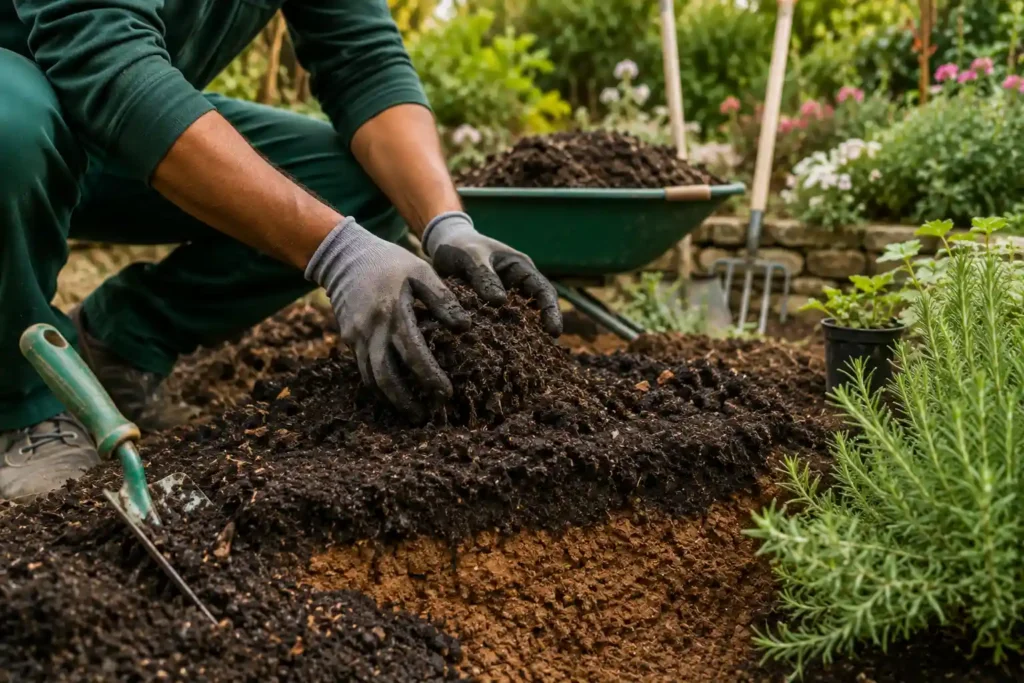
2. Prepare the soil
Good soil preparation can give plants a better start.
Remove weeds, break up compacted soil where appropriate and add organic matter if the soil requires improvement.
Compost or other suitable organic materials can help improve soil structure and moisture retention, depending on the existing soil.
However, avoid adding large quantities of amendments without understanding what your soil actually needs.
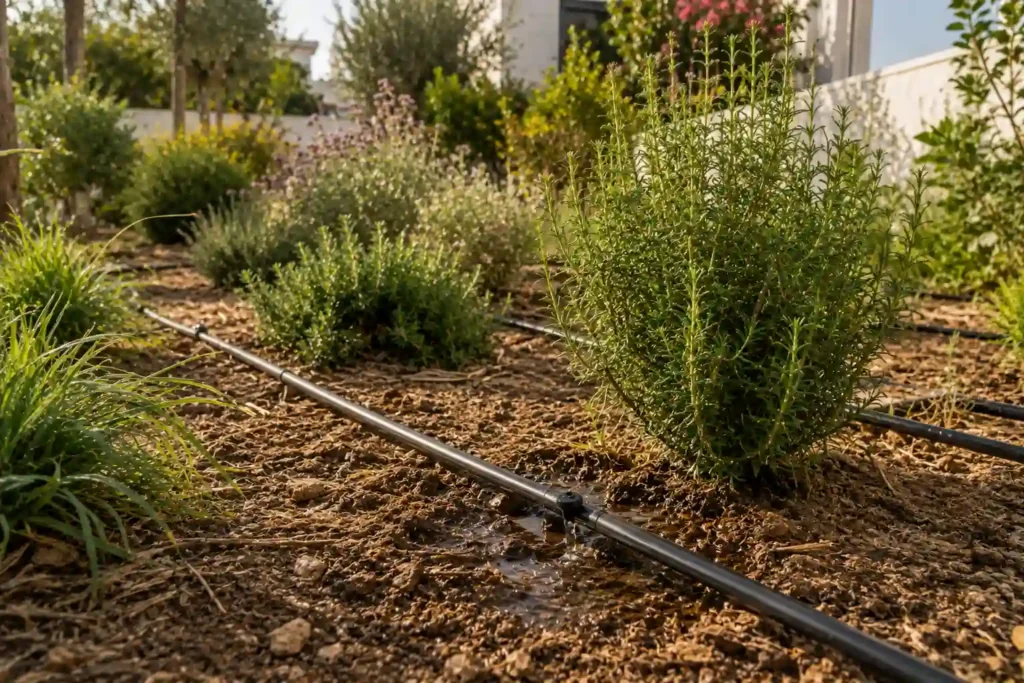
3. Plan irrigation
Think about irrigation before planting.
Plants with similar water requirements should ideally be grouped together. This makes watering easier and reduces the risk of giving too much or too little water to individual plants.
For larger gardens, separate irrigation zones can make water management more efficient.
4. Select plants carefully
When choosing plants, consider:
- How much sunlight they need
- Their water requirements
- Their mature size
- Soil preferences
- Drainage requirements
- Maintenance needs
A carefully selected plant will generally require less intervention than one planted in unsuitable conditions.
Best Types of Plants for a Tangier Garden
Choosing the right plants is one of the most important parts of Gardening in Tangier, especially when sunlight, soil and water availability vary from one garden to another.
There is no universal list of plants that will be perfect for every garden in Tangier.
The best choices depend on the specific conditions of your property.
When planning Gardening in Tangier, plant selection should always take into account the specific conditions of the garden rather than relying on appearance alone.
Careful plant selection is one of the keys to successful Gardening in Tangier, especially when different areas of the garden have different sunlight and soil conditions.
Mediterranean and drought-tolerant plants
For sunny and well-drained areas, Mediterranean-style plants can be an attractive option.
Examples include:
- Rosemary
- Lavender
- Santolina
- Cistus
- Phlomis
- Selected ornamental grasses
These plants can provide texture, fragrance and seasonal interest while being suitable for conditions where water availability is limited.
However, drought tolerance does not mean that plants require no water. Newly planted specimens need appropriate watering while their roots become established.
Herbs and edible plants
A garden in Tangier can also include herbs and edible plants.
Depending on the season and growing conditions, you might consider:
- Rosemary
- Mint
- Parsley
- Basil
- Tomatoes
- Peppers
- Seasonal vegetables
Edible plants often require closer monitoring of water, nutrients and pests than established ornamental shrubs.
Trees and shrubs
Trees and shrubs can provide structure, shade and privacy.
Before planting a tree, consider its mature size and root development.
A plant that looks small when purchased can eventually become too large for its location.
Avoid planting large trees too close to:
- Buildings
- Walls
- Pathways
- Underground infrastructure
- Other plants
Good planning at planting time can prevent expensive maintenance problems later.
Lawn and ground cover
A lawn can be useful for recreation and visual appeal, but it does not have to cover the entire garden.
You can combine lawn with:
- Shrubs
- Ground cover
- Gravel
- Flower beds
- Trees
- Natural stone
This can create a more varied landscape while potentially reducing mowing and irrigation requirements.
How to Water Your Garden Efficiently
Watering is one of the most important aspects of garden maintenance.
In Gardening in Tangier, efficient watering is especially important because periods of dry weather can increase the demand for irrigation.
But watering more frequently does not always mean healthier plants.
Efficient irrigation is an essential part of Gardening in Tangier, particularly during periods of warmer and drier weather.
When should you water?
The right watering frequency depends on:
- Plant type
- Soil
- Weather
- Sun exposure
- Plant age
- Recent rainfall
- Root development
Newly planted plants usually need more attention while they establish their root systems.
Established plants with good drought tolerance may require significantly less supplemental watering.
Instead of following a fixed calendar, check the soil and observe the plants.
Paying attention to these factors makes Gardening in Tangier more efficient and can help avoid unnecessary water use.
Water deeply rather than superficially
For many established plants, deeper watering around the root zone can be more useful than repeatedly wetting only the surface.
Avoid automatically watering every plant with the same quantity of water.
A vegetable bed, newly planted tree and established Mediterranean shrub can have completely different requirements.
Use mulch to retain moisture
Mulching can help reduce evaporation and protect the soil surface.
Suitable organic mulch can also contribute to soil health as it decomposes.
Keep mulch away from direct contact with plant stems and tree trunks.
Soil Preparation and Fertilization
Healthy roots are essential for healthy plants.
Improve soil structure
Compacted soil can make it difficult for roots to develop and water to move properly.
If water drains very slowly, investigate the cause before adding fertilizer.
Possible problems include:
- Compaction
- Poor soil structure
- Excessive clay
- Insufficient drainage
- Incorrect plant selection
Use organic matter appropriately
Compost and other organic materials can improve many soils.
The objective should be to create soil conditions that support healthy root growth rather than simply adding as much compost as possible.
Avoid excessive fertilizer
Fertilizer should support plant nutrition, not compensate for poor gardening practices.
Too much fertilizer can create unnecessary problems.
Always follow the application instructions for the specific product and plant.
Garden Maintenance in Tangier
Regular maintenance helps prevent small problems from becoming larger ones.
Good practices for Gardening in Tangier include regular observation, appropriate pruning, irrigation checks and timely weed control.
A simple maintenance routine can include:
- Removing weeds
- Pruning plants when necessary
- Checking irrigation
- Monitoring soil moisture
- Cleaning garden areas
- Inspecting plants for pests
- Maintaining lawn areas
- Removing dead or damaged growth
Pruning
Pruning can help maintain plant shape and remove dead or damaged branches.
However, different plants have different pruning requirements.
Avoid applying the same pruning method to every shrub or tree.
Weed control
Weeds compete with garden plants for water, nutrients, light and space.
Removing weeds when they are young is generally easier than waiting until they become established.
Mulching can also help reduce weed growth in suitable areas.
Pest monitoring
Inspect plants regularly for signs of:
- Insects
- Leaf damage
- Discoloration
- Distorted growth
- Unusual wilting
Do not automatically assume that a damaged plant has a pest problem.
Water stress, poor drainage, nutrient deficiencies and excessive sunlight can also cause visible symptoms.
How to Create a Low-Maintenance Garden in Tangier
A low-maintenance garden is not a garden that requires no work.
Instead, it is a garden that has been designed to reduce unnecessary maintenance.
A well-planned approach to Gardening in Tangier can significantly reduce unnecessary watering, pruning and other maintenance work.
Choose plants adapted to the location
If an area receives strong sunlight, choose plants that tolerate those conditions.
If another area remains moist, select plants that can tolerate it or address the drainage problem.
Trying to force unsuitable plants to grow in the wrong location usually increases maintenance.
Group plants by water requirements
Grouping plants according to their water needs makes irrigation easier.
For example, plants with low water requirements can be separated from vegetables or other plants that require more frequent watering.
This approach can also help avoid overwatering drought-tolerant plants.
Reduce unnecessary lawn
Large lawn areas can require regular mowing and irrigation.
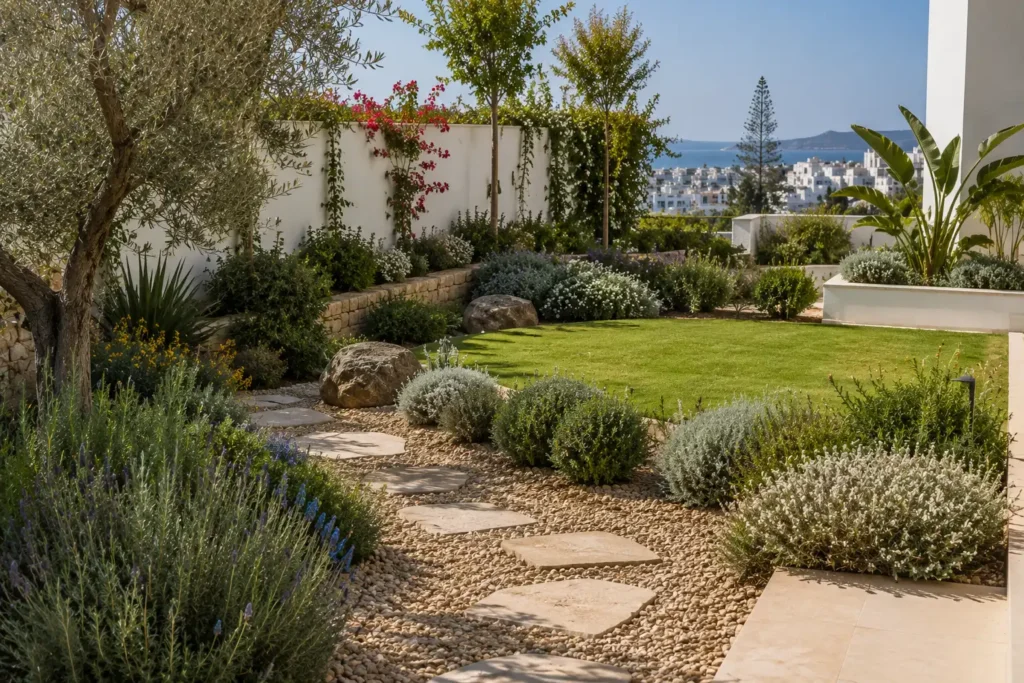
If you do not need a large lawn, consider replacing part of it with suitable shrubs, ground cover, gravel or planted borders.
A combination of different landscape elements can also make the garden more visually interesting.
Understanding the most common mistakes can make Gardening in Tangier easier and help prevent avoidable problems.
Common Gardening Mistakes to Avoid
Planting without considering mature size
Always consider how large a plant will become, not just its current appearance.
Watering every plant the same way
Different plants have different water requirements.
Ignoring drainage
Too much water can be just as problematic as too little.
Choosing plants only for their appearance
A beautiful plant may not be suitable for your soil, sunlight or maintenance capacity.
Using too much fertilizer
More fertilizer does not automatically mean better growth.
Creating too much lawn
Use lawn where it provides a genuine benefit instead of automatically covering every open space.
Neglecting the soil
Healthy soil is one of the foundations of successful gardening.
When Should You Consider Professional Garden Maintenance?
Some gardens are easy to maintain yourself. Larger gardens, complex landscapes or properties requiring regular care can benefit from professional maintenance.
Professional support can be particularly useful for Gardening in Tangier when a property has a large garden or requires regular seasonal maintenance.
Professional garden maintenance can be useful for tasks such as:
- Regular pruning
- Lawn maintenance
- Weed control
- Garden cleaning
- Plant care
- Irrigation monitoring
- Seasonal maintenance
- General garden upkeep
The objective should not simply be to make the garden look clean for a few days.
Good garden maintenance means understanding the plants, soil, irrigation and specific requirements of the property.
For homeowners and property managers in Tangier who do not have the time or equipment to maintain their outdoor space regularly, working with a professional gardening company can be a practical solution.
With the right planning and regular care, Gardening in Tangier can be both practical and enjoyable throughout the year.
Regular professional support can make Gardening in Tangier easier for property owners who want to maintain a healthy and attractive outdoor space.
Conclusion
Successful gardening in Tangier starts with understanding your garden and working with its natural conditions.
The most important principles are straightforward:
- Choose plants according to sunlight and soil conditions.
- Pay attention to drainage.
- Water according to plant requirements rather than following a rigid schedule.
- Improve soil when necessary.
- Group plants with similar water needs.
- Use mulch where appropriate.
- Maintain plants regularly.
- Reduce unnecessary lawn areas if you want a lower-maintenance garden.
A beautiful garden does not necessarily require complicated techniques. Good planning, suitable plants and consistent maintenance can make a significant difference over time.
Whether you are creating a new garden or trying to improve an existing outdoor space, the right approach is to adapt the garden to its environment rather than constantly trying to compensate for unsuitable conditions.
Need Help Maintaining Your Garden in Tangier?
If you do not have the time to handle regular pruning, lawn care, weed control and general garden maintenance, Northserv can help you keep your outdoor space clean, healthy and well maintained.
Discover Northserv’s gardening services in Tangier and find the right maintenance solution for your garden.